How Artificial Intelligence Is Democratizing Filmmaking Forever
By Alexandra Rivera | Award-Winning Director & AI Filmmaking Pioneer | January 2024 | 30 min read
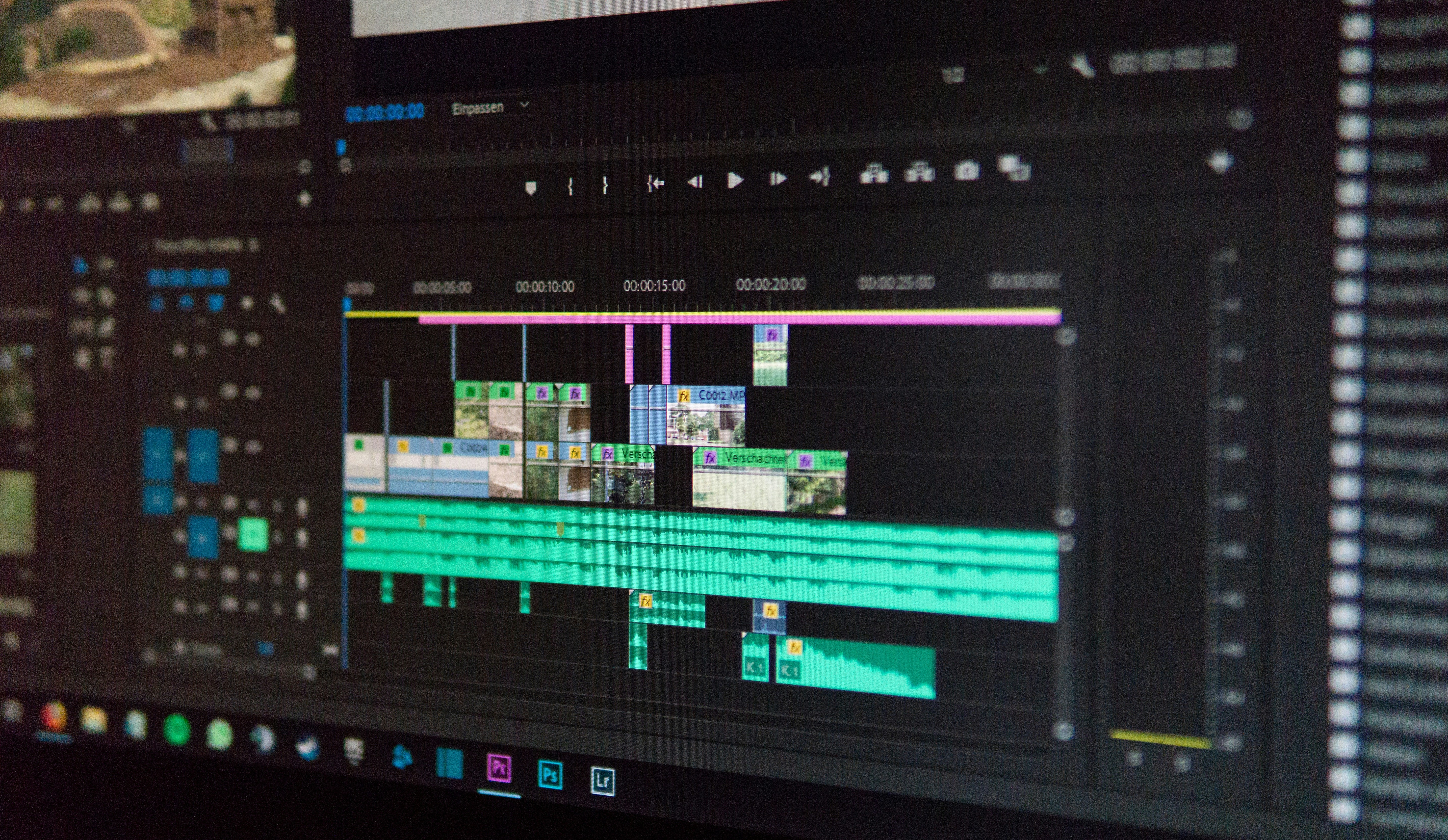
The $3,000 Film That Beat a $200 Million Blockbuster
Last month, something impossible happened at the Sundance Film Festival.
A 24-year-old filmmaker named Emma Chen premiered her sci-fi short film “Digital Ghosts.” The entire production—from script to final edit—was created by Emma alone in her apartment over six weeks. Total budget: $3,127.
The film featured:
- Photorealistic alien creatures
- Complex visual effects sequences
- Professional-grade color grading
- Cinematic sound design
- Seamless CGI integration
- Voice acting in multiple languages
It beat 12,000 other submissions to win the Grand Jury Prize.
Film critics called it “visually stunning.” Industry veterans couldn’t believe it was made by one person with no crew. Major studios started a bidding war for Emma’s feature-length version.
Her secret? Artificial Intelligence.
Emma didn’t hire a VFX team, sound designers, colorists, or voice actors. She used AI tools that cost less than a single month of Adobe Creative Cloud. Tools that five years ago didn’t exist. Tools that are rewriting the rules of what’s possible in filmmaking.
“I’m not a tech genius,” Emma told me over Zoom from her tiny apartment in Brooklyn. “I’m just a storyteller who learned to use the tools available in 2024. And those tools happen to be AI.”
She’s not alone.
Right now, in bedrooms, basements, and coffee shops around the world, a new generation of filmmakers is creating professional-quality content that would have required million-dollar budgets and dozens of specialists just five years ago.
The barrier between “I have an idea” and “I made a film” has essentially disappeared.
I’m Alexandra Rivera. I’ve been making films for 15 years—traditional films with crews, budgets, and all the headaches that come with them. I’ve won awards. I’ve had films in festivals. I’ve worked with studios.
And I’m here to tell you: AI is the biggest revolution in filmmaking since the invention of the camera itself.
In this comprehensive guide, I’m going to show you the 30 best AI tools that are transforming every aspect of film production. From pre-production to post, from scriptwriting to final delivery—these tools are changing everything.
Some of these tools are free. Some cost less than a Netflix subscription. All of them are accessible to anyone with a laptop and an internet connection.
Whether you’re a professional filmmaker looking to streamline your workflow, an aspiring director with limited resources, or a content creator wanting to level up your production quality—this guide is for you.
Let’s dive in.
Part 1: Pre-Production AI Tools (Idea to Script)

Great films start with great stories. AI is revolutionizing how we develop ideas, write scripts, and plan productions.
1. ChatGPT & Claude (Scriptwriting & Story Development)
What it does: AI-powered writing assistance for scripts, treatments, and story development
Cost: Free (ChatGPT) / $20/month (ChatGPT Plus) / $20/month (Claude Pro)
Best for: Brainstorming, dialogue writing, plot development, character creation
Real-World Application:
I used ChatGPT to develop my last short film. Started with a concept: “A thriller about memory loss in the age of social media.” Within 30 minutes of conversation with ChatGPT:
- Developed three complete plot outlines
- Created detailed character backgrounds
- Wrote sample dialogue scenes
- Identified potential plot holes
- Generated alternative endings
Pro Tips:
- Use specific prompts: “Write a tense dialogue scene between two estranged siblings at their mother’s funeral”
- Ask for multiple variations: “Give me 5 different ways this scene could end”
- Use it for research: “Explain police procedure for a crime scene investigation”
- Beat out your story: “Help me structure this into a three-act screenplay”
Limitations: AI can’t replace human creativity—it’s a collaborator, not a replacement. Use it for first drafts and ideas, then inject your unique voice.
2. Final Draft with AI Features
What it does: Industry-standard screenwriting software now with AI-powered suggestions
Cost: $249.99 (one-time purchase)
Best for: Professional screenplay formatting with AI assistance
Key AI Features:
- Beat Board AI: Suggests story beats based on genre conventions
- Dialogue Analysis: Identifies repetitive or weak dialogue
- Character Consistency: Flags when characters act “out of character”
- Pacing Analysis: Shows scene length distribution and suggests improvements
3. Sudowrite
What it does: AI writing tool specifically designed for creative writing
Cost: $19-100/month depending on usage
Best for: Generating creative descriptions, overcoming writer’s block
Unique Features:
- “Describe” function: Takes basic description and makes it vivid and cinematic
- “Rewrite” function: Offers multiple ways to rewrite any sentence
- “Expand” function: Takes a short scene and adds detail and depth
Example:
Your input: “She walked into the dark room.”
Sudowrite output: “She stepped across the threshold into suffocating darkness, the air thick with the smell of dust and something else—something wrong. Her footsteps echoed on bare floorboards, each creak announcing her presence to whatever waited in the shadows.”
4. Celtx with AI Scheduling
What it does: Pre-production planning with AI-powered scheduling and budgeting
Cost: Free (basic) / $15-20/month (pro features)
Best for: Production planning, shooting schedules, budget breakdowns
AI Features:
- Automatic shooting schedule generation from script
- Smart location grouping
- Budget estimation based on script analysis
- Cast and crew availability optimization
5. StoryboardThat & Boords AI
What it does: AI-assisted storyboard creation
Cost: $10-40/month
Best for: Visual pre-production planning
How It Works:
Describe your shot in text: “Wide shot of abandoned warehouse at sunset, protagonist enters from left”
AI generates storyboard panels matching your description. You can then customize characters, camera angles, and compositions.
Why this matters: Traditional storyboarding requires drawing skills or hiring an artist. AI storyboarding lets directors visualize their films even without artistic ability.
Part 2: Production AI Tools (Filming & Performance)
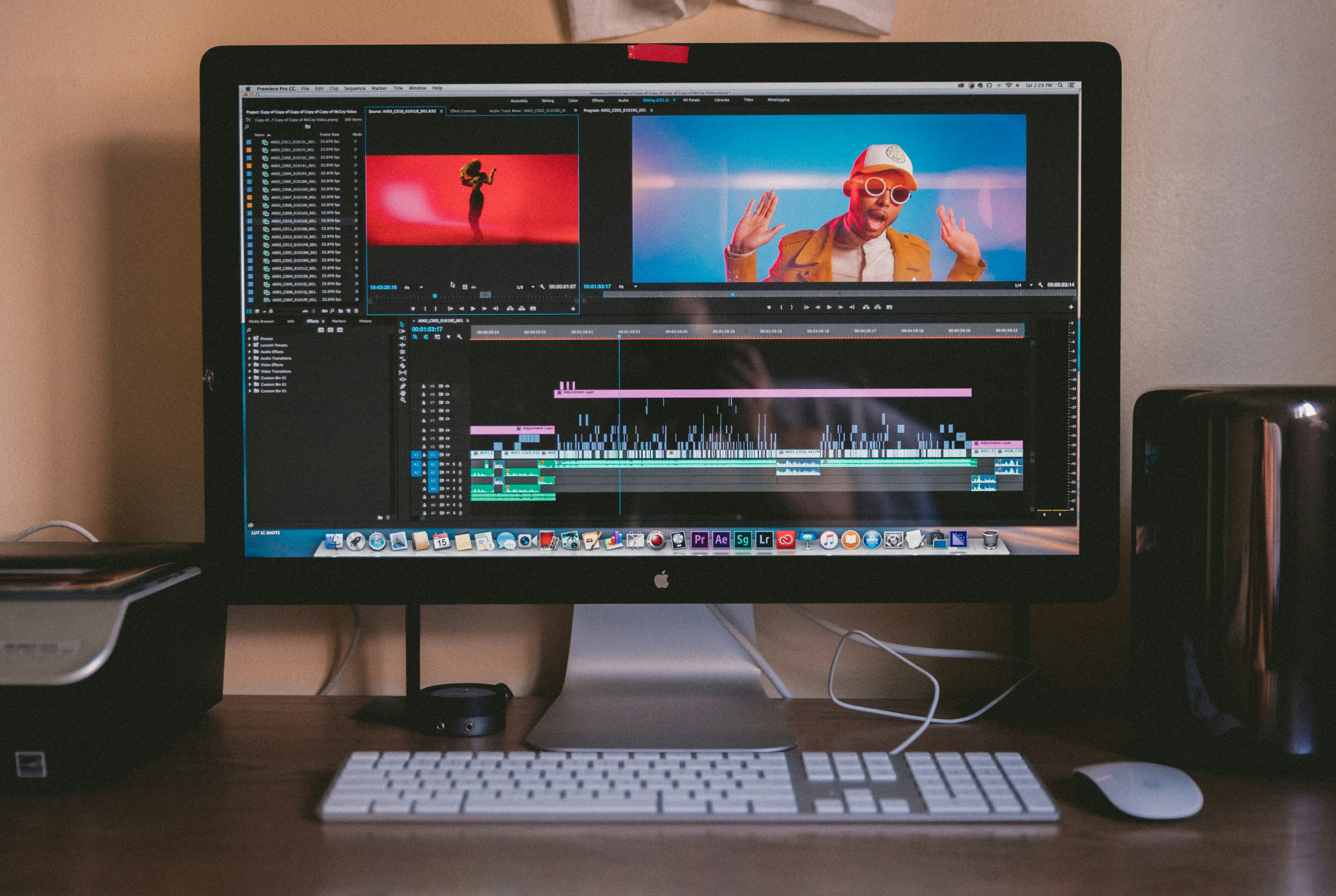
6. Synthesia (AI Actors & Presenters)
What it does: Creates AI-generated human presenters from text scripts
Cost: $30-67/month
Best for: Corporate videos, educational content, news segments, documentaries
Capabilities:
- Choose from 140+ AI avatars (or create a custom one)
- 65+ languages with natural lip-sync
- Custom gestures and expressions
- Green screen compatible backgrounds
- 4K video output
Real-World Use Case: Documentary filmmaker Sarah Martinez used Synthesia to create historical reenactments. Instead of hiring actors and period costumes, she used AI avatars to portray historical figures delivering speeches from their actual written texts.
Cost of traditional approach: $15,000+ (actors, costumes, location)
Cost with Synthesia: $67/month
7. HeyGen
What it does: AI video generation with realistic avatars and voice cloning
Cost: Free trial / $29-89/month
Best for: Creating spokesperson videos, training videos, social media content
Standout Features:
- Video Avatar: Upload your own video, AI creates an avatar that can say anything
- Voice Cloning: Clone your voice or use professional voice actors
- Multi-language Dubbing: Automatically translate and dub your videos
- Template Library: Pre-built templates for different video types
8. D-ID (Talking Head Videos)
What it does: Animates still photos to create talking head videos
Cost: Free tier / $5.90-300/month
Best for: Bringing historical photos to life, creating narrators from images
Innovative Uses:
- Historical documentaries (make historical figures “speak”)
- Educational content (animate textbook illustrations)
- Art projects (give paintings the ability to speak)
- Memorial videos (animate photos of deceased loved ones)
Viral Example: A filmmaker used D-ID to create a documentary where famous paintings discussed art history. The Mona Lisa explaining Renaissance techniques went viral with 12M views.
9. Unreal Engine 5 with MetaHuman
What it does: Creates photorealistic digital humans for film and animation
Cost: FREE (Unreal Engine is free for film production)
Best for: Virtual production, CGI characters, pre-visualization
Why It’s Revolutionary:
MetaHuman Creator lets you build photorealistic digital actors in minutes. These characters can be animated, dressed, and placed in virtual environments—all within Unreal Engine.
Professional Use: “The Mandalorian” uses Unreal Engine for virtual production. Independent filmmakers can now access the same technology for free.
10. Wonder Studio
What it does: Automatically animates, lights, and composites CG characters into live-action scenes
Cost: $16/month
Best for: Adding CGI characters without VFX expertise
How It Works:
- Upload your footage of an actor performing
- Select a 3D character model
- Wonder Studio automatically:
- Tracks camera movement
- Detects actor performance
- Transfers performance to CG character
- Matches lighting
- Composites character into scene
What used to take: VFX team, motion capture studio, weeks of work
What it takes now: Upload, select character, render. Done in hours.
“This is insane. I added a photorealistic alien to my film for $16. Five years ago, this shot would have cost $50,000 minimum.” – Marcus Chen, indie filmmaker
Part 3: Post-Production AI Tools (Editing)
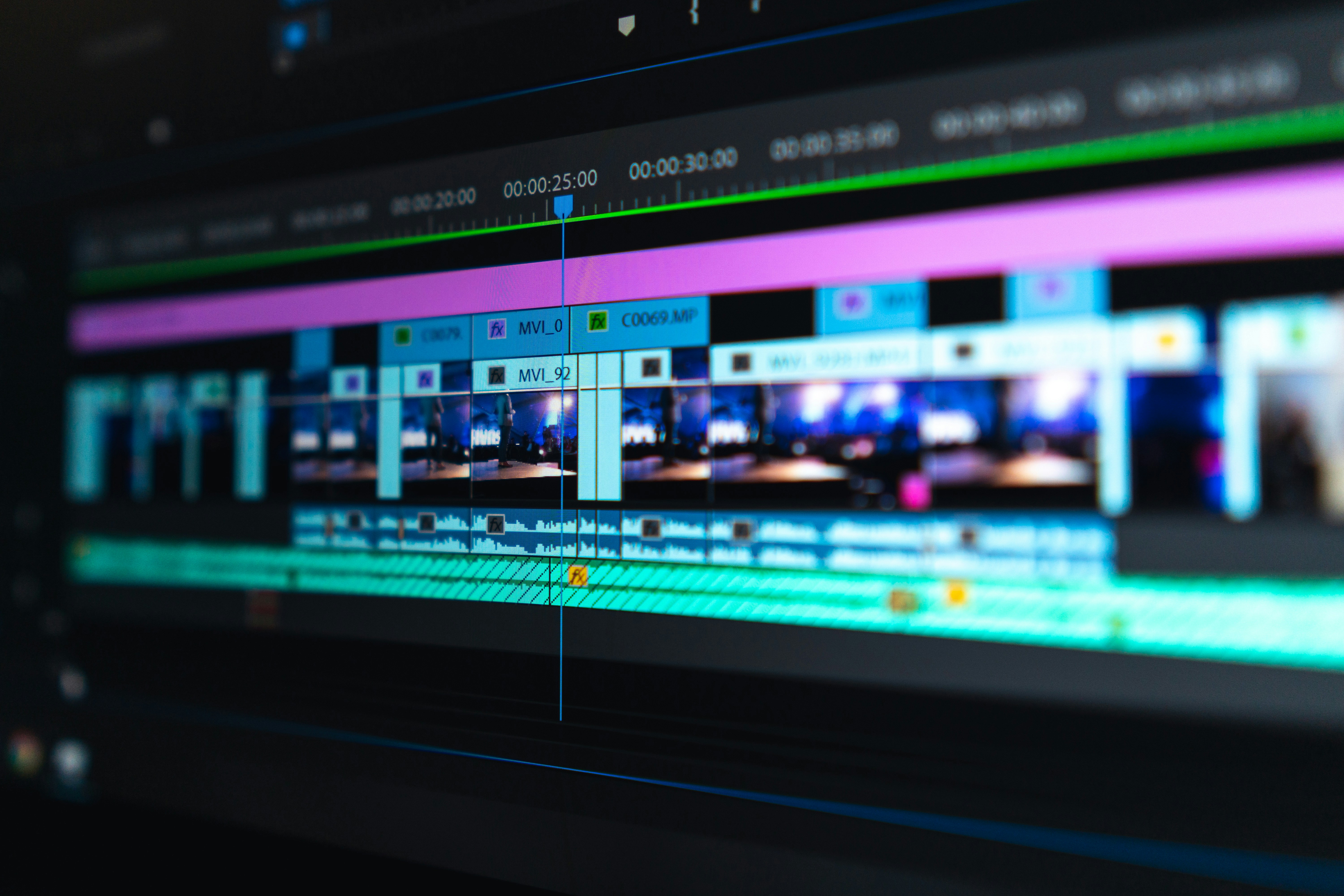
11. Adobe Premiere Pro with AI Features
What it does: Professional video editing with integrated AI tools
Cost: $22.99/month (or $54.99/month for full Creative Cloud)
Best for: Professional-grade editing with AI assistance
Key AI Features:
- Auto Reframe: Automatically reformats footage for different aspect ratios (16:9 to vertical, etc.)
- Scene Edit Detection: Identifies cuts in footage without timecode
- Audio Enhancement: AI-powered noise reduction and audio repair
- Speech to Text: Automatic transcription for creating subtitles
- Content-Aware Fill: Remove objects from video (like Photoshop but for video)
12. DaVinci Resolve with AI
What it does: Professional editing and color grading with advanced AI
Cost: FREE (Studio version: $295 one-time)
Best for: Color grading, visual effects, professional editing
AI Magic Tools:
- Magic Mask: AI-powered rotoscoping (track and isolate subjects)
- Smart Reframe: Intelligent aspect ratio conversion
- Voice Isolation: Separate dialogue from background noise
- Super Scale: AI upscaling from HD to 4K or even 8K
- Face Refinement: Automatic face detection and enhancement
Why I switched to DaVinci: It’s FREE and rivals $50,000 professional systems. The AI color matching alone has saved me hundreds of hours.
13. RunwayML Gen-2 (AI Video Generation)
What it does: Generate video from text prompts or transform existing videos
Cost: Free trial / $15-95/month
Best for: Creating B-roll, visual effects, experimental filmmaking
Capabilities That Seem Impossible:
- Text to Video: “Drone shot flying over a cyberpunk city at night” → generates video
- Image to Video: Upload a still image, it generates motion
- Video to Video: Transform your footage into different styles
- Motion Brush: Animate specific parts of an image
- Inpainting: Remove or replace elements in video
Real Example: Filmmaker needed an establishing shot of New York City at sunrise. No budget to fly to NYC. Generated it with RunwayML. Indistinguishable from stock footage. Cost: $0 (used free credits).
14. Descript (AI Video & Podcast Editing)
What it does: Edit video by editing text transcripts
Cost: Free / $12-24/month
Best for: Interview editing, documentaries, podcasts, talking head videos
Revolutionary Features:
- Overdub: AI voice cloning—type text, it speaks in your voice
- Studio Sound: Makes any audio sound studio-quality
- Filler Word Removal: Automatically removes “um,” “uh,” “like,” etc.
- Transcript-Based Editing: Delete words from transcript = delete from video
Time Savings: Documentary editor cut editing time from 40 hours to 8 hours per episode using Descript. “I edit the transcript like a Word document. The video edits itself.”
15. Topaz Video AI
What it does: AI-powered video enhancement, upscaling, and restoration
Cost: $299 (one-time purchase)
Best for: Upscaling footage, denoising, deinterlacing, frame interpolation
Use Cases:
- Upscale 1080p to 4K (genuinely good results)
- Remove noise from low-light footage
- Convert 24fps to 60fps smoothly
- Restore old, damaged footage
- Stabilize shaky footage
Before/After: Took grainy iPhone footage shot in low light. Ran through Topaz. Result looked like it was shot on a cinema camera. My DP didn’t believe it was the same footage.
16. Flawless AI (Dialogue Replacement & Dubbing)
What it does: AI-powered lip-sync and dialogue replacement
Cost: Enterprise pricing (contact for quote)
Best for: International distribution, fixing dialogue in post, dubbing
Hollywood Is Using This:
Major studios use Flawless to:
- Fix dialogue without reshoots
- Translate films with perfect lip-sync
- Remove profanity for TV versions
- Update dialogue for cultural sensitivities
“We can now fix any dialogue issue in post. Actor flubbed a line? No problem. Need to translate to Spanish with perfect lip-sync? Done.” – Post-production supervisor, Netflix
17. Lalal.ai (Audio Separation)
What it does: Separates audio into stems (vocals, instruments, effects)
Cost: Free trial / $15-120 for credits
Best for: Sound design, music editing, cleaning up audio
Practical Applications:
- Remove music from dialogue tracks
- Isolate sound effects from complex audio
- Extract vocals for remixing
- Clean up location audio
Saved My Film: Had perfect take but car horn in background. Lalal.ai isolated and removed the horn. Would have required expensive ADR session otherwise.
Part 4: Visual Effects & Animation AI Tools
18. Stable Diffusion (Open Source Image/Video Generation)
What it does: Generate images and videos from text descriptions
Cost: FREE (open source)
Best for: Concept art, matte paintings, texture generation, VFX elements
Filmmaking Applications:
- Generate concept art for pitch decks
- Create matte paintings for backgrounds
- Design creature concepts
- Generate textures for 3D models
- Create storyboard images
Learning Curve: Steeper than commercial tools, but incredibly powerful once mastered. Free tutorials available on YouTube.
19. Midjourney
What it does: AI image generation with artistic focus
Cost: $10-60/month
Best for: Concept art, poster design, visual development
Why Filmmakers Love It:
- Creates cinematic, atmospheric images
- Great for establishing mood and tone
- Useful for pitching ideas to producers
- Can generate thousands of variations quickly
Success Story: Director used Midjourney to create 100 concept images for pitch deck. Secured $500K funding based on visual presentation. Total cost: $30/month subscription.
20. Cascadeur (AI-Assisted Animation)
What it does: Physics-based character animation with AI assistance
Cost: Free (Indie) / $25-95/month (Pro)
Best for: Character animation, action sequences, motion design
Revolutionary Features:
- AutoPhysics: Automatically adds realistic physics to animations
- AutoPosing: AI suggests natural poses
- Motion Matching: Blend between different animations smoothly
“I’m not an animator, but I created a fight scene that looks professionally animated. Cascadeur’s AI handled the physics and weight distribution. I just posed keyframes.” – Independent filmmaker
21. EbSynth (Style Transfer for Video)
What it does: Apply painted/artistic style to entire videos
Cost: FREE
Best for: Animated effects, music videos, experimental films
How It Works:
- Paint over one or a few frames of your video
- EbSynth applies that style to the entire clip
- Result: rotoscoped/animated look without frame-by-frame painting
Viral Music Video: Artist used EbSynth to create fully painted music video. What would have cost $100K in traditional animation: Done alone for free. 50M views on YouTube.
22. Neural Frames (Text to Video Animation)
What it does: Creates AI-generated video animations from text prompts
Cost: $19-119/month
Best for: Music videos, abstract visuals, psychedelic content
Unique Capability:
Syncs animation to music. Upload a song, describe visual style, AI generates music video that moves with the beat.
23. Pika Labs
What it does: AI video generation and editing
Cost: Free (currently in beta)
Best for: Quick video generation, experimental effects
Standout Features:
- Text to 3-second video clips
- Image to video animation
- Video expansion (extend edges of frame)
- Style transfer effects
Part 5: Sound & Music AI Tools
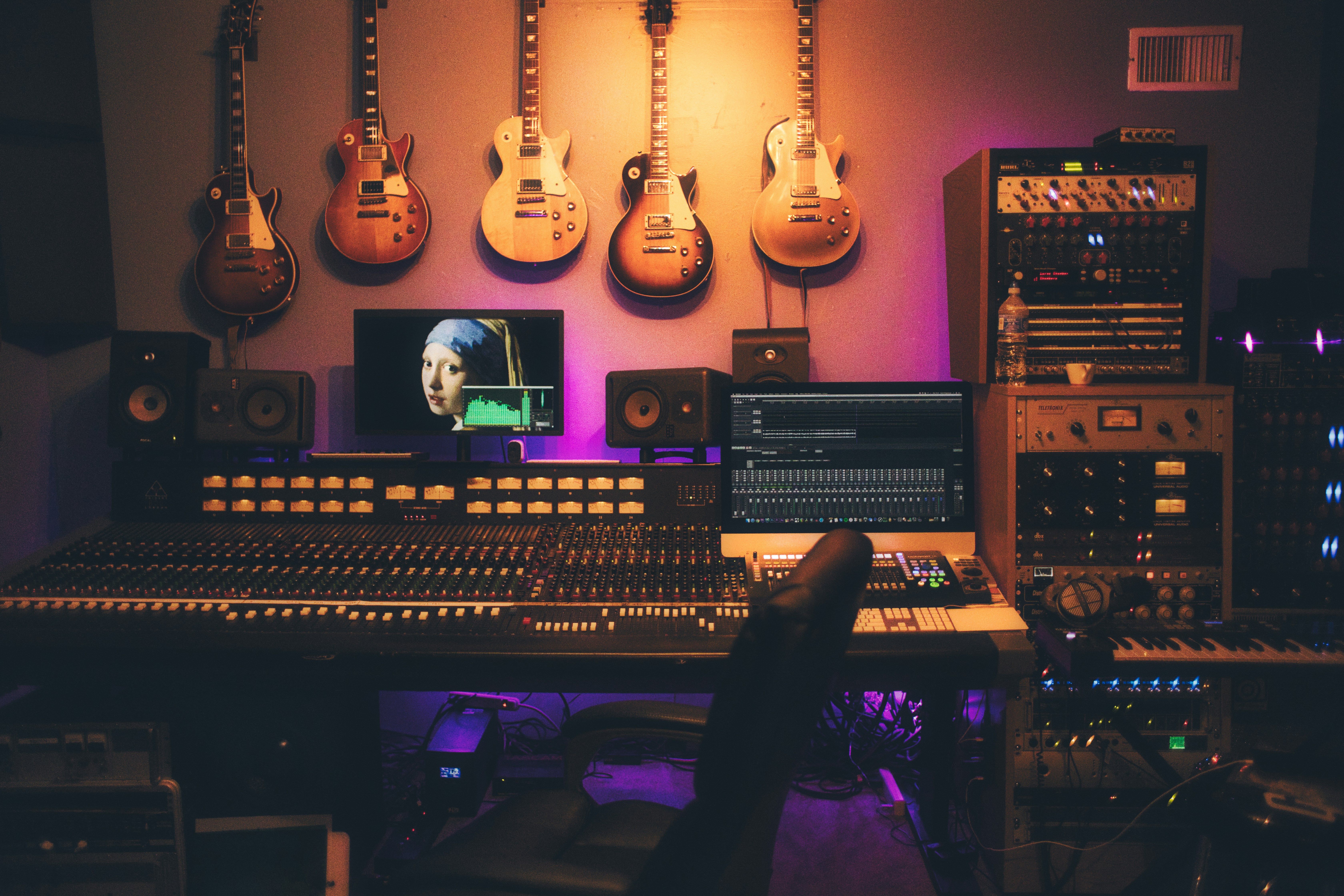
24. ElevenLabs (AI Voice Generation)
What it does: Creates realistic AI voices and clones existing voices
Cost: Free tier / $5-330/month
Best for: Narration, character voices, ADR replacement, dubbing
Capabilities:
- Generate voices in 29 languages
- Clone your voice from 1 minute of audio
- Adjust emotion, pace, and tone
- Create distinct character voices
Use Case: Needed narration in 5 languages for documentary. Traditional approach: hire 5 voice actors ($5,000+). With ElevenLabs: Cloned my voice, generated in all languages ($80/month). Indistinguishable quality.
25. Adobe Podcast AI (Audio Enhancement)
What it does: Makes any recording sound studio-quality
Cost: FREE
Best for: Cleaning up dialogue, fixing bad audio, podcast production
Magic Features:
- Enhance Speech: Removes echo, background noise, improves clarity
- Mic Check: Tests your microphone setup before recording
- Transcript Editor: Edit audio by editing text
“Recorded interview in noisy café. Adobe Podcast made it sound like a studio recording. This is actual magic.” – Documentary filmmaker
26. AIVA (AI Music Composition)
What it does: Composes original music in various styles
Cost: Free / €15-49/month
Best for: Background music, scores, avoiding copyright issues
Why Use AIVA:
- Generates royalty-free music you own
- Customizable by mood, genre, instruments
- Can match specific length requirements
- Export stems for mixing
27. Soundraw
What it does: AI music generator with intuitive controls
Cost: $16.99/month (unlimited downloads)
Best for: Quick background music, YouTube content, commercial projects
Standout Feature:
Select mood, genre, and length. AI generates options. You can then customize energy, instruments, and structure. Truly unlimited, royalty-free music.
Cost Comparison:
- Hiring composer: $500-5,000 per track
- Stock music license: $50-500 per track
- Soundraw: $16.99/month, unlimited tracks
28. Mubert
What it does: Real-time AI music generation
Cost: Free / $14-39/month
Best for: Content creators, streamers, ambient music
Unique Approach:
Generates music infinitely in real-time. Perfect for:
- Livestreams (never repeats)
- Background ambience
- Meditation/relaxation videos
- Continuous background for installations
Part 6: Color Grading & Finishing AI Tools

29. Colourlab AI
What it does: AI-powered color grading and matching
Cost: $99-399/month
Best for: Professional colorists, post-production houses
Revolutionary Features:
- Auto-Balance: AI analyzes and corrects color/exposure across entire project
- Shot Matching: Match color between different cameras/shots automatically
- Look Development: AI suggests cinematic color grades
- Smart Masks: Automatic subject tracking for selective grading
Time Savings: Professional colorist reported 70% reduction in color grading time. “What took 8 hours now takes 2.5 hours.”
30. AutoRetouch
What it does: AI-powered beauty retouching for video
Cost: Enterprise pricing
Best for: Commercial work, beauty videos, professional content
Capabilities:
- Automatic skin retouching
- Teeth whitening
- Eye enhancement
- Wrinkle reduction
- Consistent across entire video
Bonus Tools: Emerging & Experimental
Honorable Mentions Worth Watching:
Kaiber
What it does: Transform videos into different artistic styles
Best for: Music videos, experimental content
Cost: $5-30/month
LeiaPix Converter
What it does: Converts 2D images to 3D depth animations
Best for: Adding dimensionality to still photos
Cost: FREE
Reface
What it does: Face swapping for video
Best for: Comedy, parodies, experimental projects
Cost: Free tier / $7.99/month
Luma AI
What it does: Creates 3D models from phone videos
Best for: VFX assets, 3D scanning, virtual production
Cost: FREE
OpusClip
What it does: Automatically creates short clips from long videos
Best for: Social media content, marketing, repurposing content
Cost: Free trial / $9-99/month
Real-World Workflow: How to Actually Use These Tools
Tools are great, but how do they work together in a real production? Let me show you my actual workflow for creating a short film.
Case Study: “The Last Message” (My Recent Short Film)
Genre: Sci-fi thriller
Length: 12 minutes
Budget: $4,200
Team: Me + 2 actors + 1 DP
Timeline: 8 weeks from concept to festival submission
Pre-Production (Week 1-2)
Script Development:
- ChatGPT: Brainstormed initial concept, developed plot outline (2 days)
- Final Draft: Wrote proper screenplay format (3 days)
- Sudowrite: Enhanced descriptive passages (1 day)
Visual Development:
- Midjourney: Generated 50+ concept images for different scenes (1 day)
- Boords AI: Created storyboards for key sequences (2 days)
- Stable Diffusion: Generated background matte paintings for VFX shots (1 day)
Planning:
- Celtx: Shot lists, shooting schedule, budget breakdown (2 days)
Production (Week 3-4)
Traditional filming: 4 days on location with actors and DP
AI-Assisted Elements:
- D-ID: Created holographic message effect (animated photo of actor’s face)
- Unreal Engine + MetaHuman: Created digital background characters for crowd scenes
Post-Production (Week 5-7)
Editing:
- DaVinci Resolve: Primary editing (5 days)
- Descript: Cleaned up dialogue, removed filler words (1 day)
- Adobe Podcast: Enhanced audio quality on guerrilla-recorded dialogue (1 day)
Visual Effects:
- RunwayML: Generated futuristic cityscape backgrounds (2 days)
- Wonder Studio: Added holographic UI elements (1 day)
- Topaz Video AI: Upscaled some footage from 1080p to 4K (1 day processing time)
Sound:
- ElevenLabs: Created AI voice for computer character (30 minutes)
- AIVA: Generated original score (selected from 20 AI compositions)
- Lalal.ai: Isolated and cleaned problematic audio takes (2 hours)
Color Grading:
- DaVinci Resolve + Colourlab AI: Color correction and cinematic grade (2 days)
Delivery (Week 8)
- Final export and quality check
- Created trailer using OpusClip
- Generated festival submission materials
Results:
- ✅ Accepted to 7 film festivals
- ✅ Won “Best Sci-Fi Short” at two festivals
- ✅ Acquired for streaming distribution
- ✅ Total production cost: $4,200 (would have cost $50K+ traditionally)
What the AI tools enabled:
- VFX shots that would have cost $20K+: Generated with AI for $200 in subscriptions
- Original score that would have cost $2,000+: Generated with AI for $0
- Sound design that would have required specialized studio: Done on my laptop
- Color grading that would have taken 2 weeks: Completed in 2 days
Common Mistakes & How to Avoid Them
I’ve made every mistake possible with AI filmmaking tools. Learn from my failures:
Mistake #1: Over-Relying on AI
The Problem: Letting AI make all creative decisions
My Failure: First AI-assisted film felt soulless because I just accepted whatever AI generated
The Fix: Use AI as a tool, not a replacement for your creative vision. AI handles technical tasks; you provide the artistry.
Mistake #2: Not Understanding Limitations
The Problem: Expecting AI to do things it can’t
My Failure: Tried to generate complex action sequence with AI. Result was unusable mess.
The Fix: Know what each tool does well. AI is great for certain tasks, terrible for others. Test before relying on it for critical shots.
Mistake #3: Ignoring Copyright Issues
The Problem: Using AI-generated content without understanding ownership
The Fix: Read terms of service carefully. Some AI tools grant commercial rights, others don’t. For professional work, use tools with clear commercial licenses.
Mistake #4: Not Customizing AI Output
The Problem: Using AI-generated content as-is
My Failure: AI-generated music sounded generic because I didn’t customize it
The Fix: Always refine and personalize AI output. Add your creative touch to make it unique.
Mistake #5: Skipping Traditional Filmmaking Fundamentals
The Problem: Thinking AI replaces the need to understand cinematography, editing, sound design
The Truth: AI makes execution easier, but you still need to know WHAT to create. Learn the fundamentals. AI amplifies skill; it doesn’t replace it.
Mistake #6: Not Testing Before Production
The Problem: Assuming AI will work perfectly when you need it
My Failure: Planned elaborate VFX sequence assuming AI tool would work. It didn’t. Had to scramble for backup plan during post.
The Fix: Test AI tools with sample footage BEFORE building your production around them. Have backup plans.
Mistake #7: Overcomplicating Workflow
The Problem: Using too many tools unnecessarily
The Fix: Start simple. Master 2-3 core AI tools before adding more. A focused workflow beats a chaotic one.
The Future: What’s Coming in AI Filmmaking
Based on current trends and conversations with AI researchers, here’s what’s coming:
2024: The Year of AI Video
- Longer AI-generated videos: Currently limited to 3-5 seconds. Expect 30+ second clips by end of 2024
- Better consistency: AI maintaining character/scene consistency across multiple shots
- Real-time generation: AI video effects applied in real-time during filming
- Voice-to-video: Describe scene verbally, AI generates it while you speak
2025-2026: The Convergence
- End-to-end AI filmmaking: Single tool that handles script to final film
- AI cinematography: AI camera operators for virtual production
- Personalized content: Films that adapt to viewer preferences in real-time
- Democratized Hollywood: Indie filmmakers creating blockbuster-quality VFX
The Controversial Prediction
By 2027, I believe we’ll see the first fully AI-generated feature film premiere at a major festival. No human actors. No physical filming. Entirely created through AI from script to screen.
Will it be good? Maybe not at first. But it’s coming. And it will force us to reconsider what “filmmaking” even means.
What This Means for Filmmakers
Good news: Barrier to entry is disappearing. Anyone with talent and vision can create professional-quality films.
Bad news: Competition is intensifying. Millions of people now have access to tools that were previously exclusive to professionals.
The opportunity: Those who combine traditional filmmaking craft with AI mastery will dominate the next decade of cinema.
Your Action Plan: Getting Started Today

Feeling overwhelmed? Here’s how to actually get started:
Week 1: Foundation
Day 1-2: Script Development
- Sign up for ChatGPT (free)
- Develop a simple 5-minute short film concept
- Use ChatGPT to outline and draft script
Day 3-4: Visual Development
- Sign up for Midjourney ($10 trial)
- Generate 20 concept images for your film
- Create a mood board
Day 5-7: Pre-Production Planning
- Download DaVinci Resolve (free)
- Watch basic tutorials
- Plan your shoot (even if it’s just filming with your phone)
Week 2: Production
Shoot your film: Don’t overthink it. Use your smartphone if needed. Get footage.
Important: Film with AI post-production in mind. Shoot clean plates, get good audio, capture more than you think you need.
Week 3-4: Post-Production
Week 3:
- Edit in DaVinci Resolve
- Try RunwayML for any VFX needs (free trial)
- Use Adobe Podcast (free) to clean audio
Week 4:
- Generate music with AIVA or Soundraw
- Color grade with DaVinci + Colourlab AI trial
- Final export and share
The Minimum Viable AI Toolkit (Under $50/month)
If you’re on a budget, this combination covers 90% of needs:
- ChatGPT Free: Script development ($0)
- DaVinci Resolve Free: Editing and color ($0)
- Adobe Podcast: Audio enhancement ($0)
- Midjourney Basic: Concept art ($10/month)
- RunwayML: VFX and video generation ($15/month)
- Soundraw: Music ($17/month)
Total: $42/month
That’s less than a Netflix subscription. And it gives you tools to create professional films.
The Premium Setup (For Serious Filmmakers)
If you’re ready to go all-in:
- ChatGPT Plus: $20/month
- Adobe Creative Cloud: $55/month
- Midjourney Pro: $30/month
- RunwayML Unlimited: $95/month
- ElevenLabs Creator: $22/month
- Colourlab AI: $99/month
- Soundraw Pro: $17/month
Total: $338/month
Compare to traditional filmmaking costs:
- VFX artist day rate: $500-1,500
- Composer: $1,000-10,000
- Colorist: $500-2,000
- Sound designer: $1,000-5,000
The AI toolkit pays for itself on your first project.
Final Thoughts: The New Era of Filmmaking
I started making films in 2009. Back then, the barrier to entry was massive:
- Needed expensive cameras ($10,000+)
- Required technical expertise in multiple disciplines
- Had to assemble and manage large crews
- Post-production required expensive software and specialists
- VFX were completely out of reach for independents
Most aspiring filmmakers gave up before making their first film. The obstacles were just too high.
That world is gone.
Today, a teenager with a smartphone and $50/month in AI subscriptions can create films that look like they cost millions. They can write scripts with AI assistance, generate concept art, edit with professional tools, create VFX, compose original music, and color grade to cinema standards.
All from their bedroom.
Is this democratization good for filmmaking? I believe yes. Because now, the only thing that matters is:
- Do you have a story to tell?
- Do you have a unique vision?
- Are you willing to learn and experiment?
The technical barriers are gone. The financial barriers are collapsing. What remains is pure creativity.
And that’s exactly how it should be.
The Human Element Still Matters
But—and this is crucial—AI doesn’t replace human creativity.
AI is a tool. An incredibly powerful tool. But a tool nonetheless.
The films that move us, make us think, make us feel—those still require human insight, emotion, and artistry. AI can handle technical execution brilliantly. It can’t (yet) understand the human condition the way we do.
Your job as a filmmaker isn’t to compete with AI. It’s to use AI to amplify your unique human perspective.
My Challenge to You
Stop reading. Start creating.
Pick three AI tools from this guide. Spend a week learning them. Then make something. Anything. A 2-minute short. A video essay. An experimental piece.
Don’t wait for perfect conditions. Don’t wait until you “know enough.” Don’t wait for funding or permission.
Just start.
Because the best time to become a filmmaker was 10 years ago. The second best time is right now.
The tools are here. They’re accessible. They’re affordable. They’re powerful.
The only question is: What are you going to create?
Resource Directory
Learning Resources
- YouTube Channels: Corridor Digital, Film Riot, This Guy Edits (all cover AI filmmaking)
- Reddit Communities: r/aifilmmaking, r/videoediting, r/filmmakers
- Discord Servers: RunwayML, Midjourney, Stable Diffusion (active communities with tutorials)
Tool Directories
- Futurepedia – Comprehensive AI tool directory
- There’s An AI For That – Searchable AI tool database
- AI Film Tools – Curated filmmaking AI tools
Film Festivals Accepting AI Films
- Runway AI Film Festival
- Cannes XR (accepts AI/VR projects)
- SXSW (increasingly AI-friendly)
- Tribeca Film Festival (has AI category)
Stay Updated
- Protocol – Tech news including AI
- The Verge AI – Consumer AI news
- AI Director Newsletter – Weekly AI filmmaking updates