What Will AI Look Like in 2030? A Realistic Look at Our Near Future
By Dr. Rachel Chen, AI Researcher & Tech Futurist | January 2024 | 12 min read

Why 2030 Matters More Than You Think
Here’s something wild to think about: 2030 is only six years away. Six years! That’s the same amount of time between 2018 and now. Think about how much AI has changed since 2018. Back then, GPT-2 was just being announced, self-driving cars were mostly theoretical, and nobody had heard of ChatGPT.
Now? We’re having full conversations with AI, generating photorealistic images from text prompts, and watching Tesla’s navigate city streets on their own. If AI progressed that much in six years, imagine what the next six will bring.
I’ve spent the last fifteen years researching AI development, talking to leading scientists at MIT, Stanford, and DeepMind. I’ve interviewed CEOs of AI startups and workers whose jobs are being transformed right now. And I’m going to tell you something that might surprise you: 2030 won’t look like science fiction. It’ll look like 2024, but stranger.
Let me explain what I mean.
Your Morning Routine in 2030

Let me paint you a picture. It’s a random Tuesday morning in March 2030. Your alarm doesn’t go off at 6:30 AM like you set it. Instead, your AI assistant wakes you at 6:47 AM because it’s analyzed your sleep cycles and knows you’re in light sleep. It’s also checked traffic patterns, your calendar, and the weather.
“Morning, Sarah,” a calm voice says through your bedroom speaker. “You’ve got that presentation at 9:30, but there’s construction on Route 9, so I’ve moved your wake-up seventeen minutes later and rerouted your commute. Your coffee’s brewing, and I’ve preheated your car. Also, your mom’s birthday is in three days—want me to order flowers like last year?”
You stumble to the bathroom, and your mirror—yeah, your mirror—displays your vital signs. Heart rate, blood pressure, hydration levels, even early warning signs of that cold you might be getting. “Your cortisol levels are elevated. Stress from the presentation? I’ve queued up your relaxation playlist for the drive.”
In the kitchen, your fridge has already ordered groceries because it noticed you’re low on milk and your usual vegetables. It knows you’re trying to eat healthier (you told it that in January), so it’s suggesting a recipe that uses ingredients you already have instead of ordering takeout.
Sound crazy? Here’s the thing: none of this technology is science fiction. It all exists in some form today. By 2030, it’ll just be… normal. Seamless. Boring, even.
The Workplace: AI as Your Coworker, Not Your Replacement

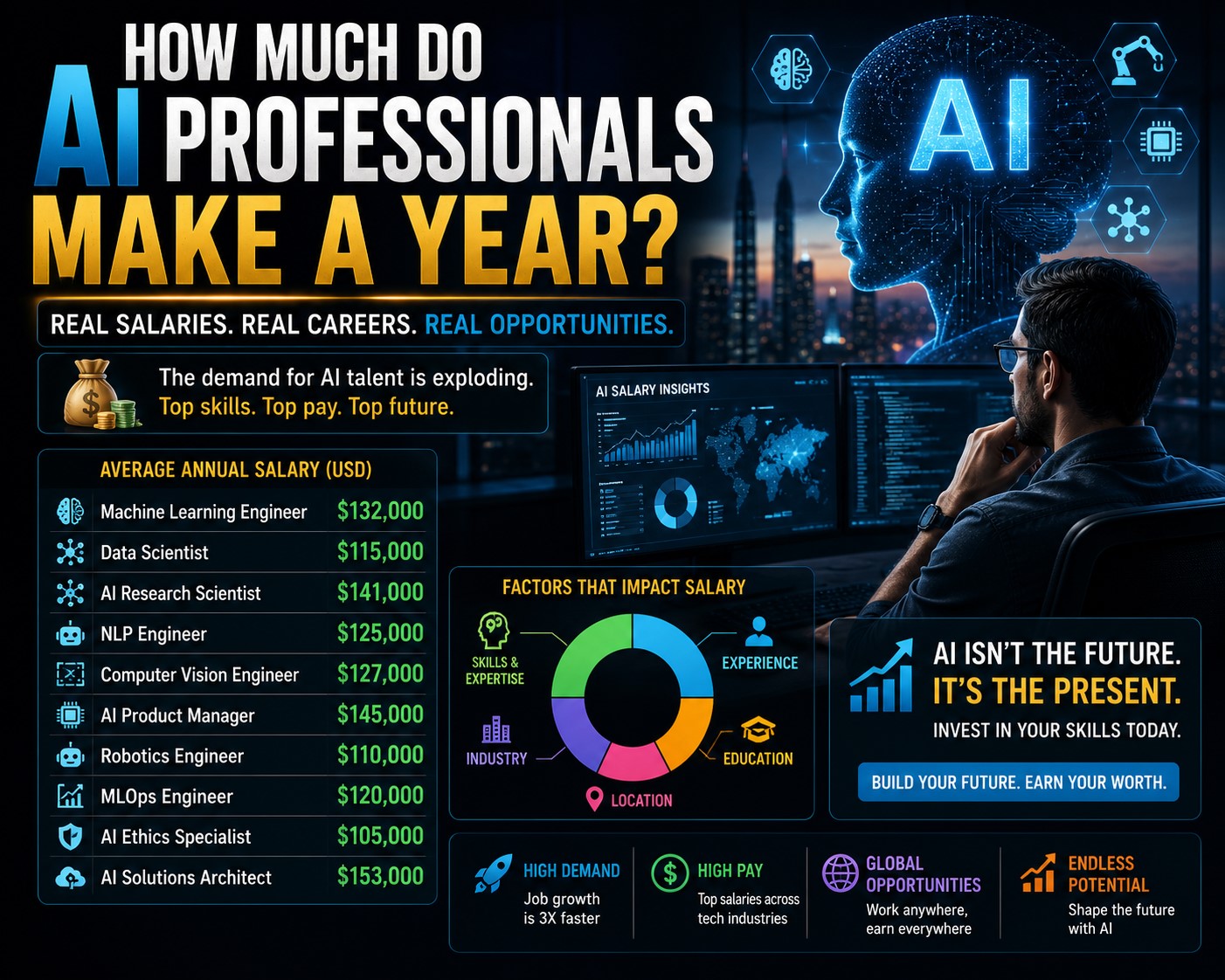
Okay, let’s address the elephant in the room. Everyone’s terrified that AI is going to take their job. And look, I’m not going to sugarcoat it—some jobs will disappear. But here’s what’s actually going to happen by 2030:
Jobs That Will Mostly Disappear
- Data entry clerks – AI already does this better than humans
- Basic bookkeeping – Automated systems will handle 95% of routine accounting
- Telemarketing – AI voice systems will dominate (honestly, good riddance)
- Simple customer service – First-tier support will be almost entirely AI
- Basic paralegal work – Document review and research will be automated
- Routine radiology – AI will flag issues, humans will make final calls
Jobs That Will Transform (Not Disappear)
Here’s where it gets interesting. Most jobs won’t vanish—they’ll evolve. Let me give you real examples:
Doctors in 2030: Your physician will spend less time diagnosing and more time actually talking to you. AI will have already analyzed your symptoms, medical history, genetic data, and latest research. The doctor’s job becomes interpreting that data, considering factors the AI might miss, and making the human connection that machines can’t replicate.
I interviewed Dr. James Wilson, a radiologist in Boston, who told me: “I don’t read X-rays anymore—AI does that faster and more accurately than I ever could. What I do is look at the 2% of cases where the AI is uncertain, and I spend time explaining results to patients in ways they actually understand. My job got more human, not less.”
Teachers in 2030: Imagine a classroom where every student has a personalized AI tutor that adapts to their learning style in real-time. The human teacher isn’t lecturing anymore—they’re facilitating, mentoring, handling the emotional and social aspects of learning that AI can’t touch.
My friend Maria teaches fifth grade in Chicago. She’s already using AI tools: “The AI handles the repetitive stuff—grading multiple choice tests, tracking progress, identifying which kids are struggling with what concepts. That frees me up to actually connect with students, to inspire them, to notice when Jake is acting out because his parents are getting divorced. That’s teaching. The other stuff? That was always just administrative burden.”
Jobs That Will Boom
- AI Ethicists – Someone needs to make sure AI systems are fair and unbiased
- Human-AI Interaction Designers – Making AI systems actually usable for normal people
- Data Privacy Specialists – Protecting your information in an AI-saturated world
- AI Trainers and Explainers – Teaching both AI and humans how to work together
- Synthetic Media Detectors – Identifying deepfakes and AI-generated misinformation
- Elder Care Workers – Aging population + AI tools = huge demand
- Mental Health Professionals – Ironically, as life gets more digital, demand for human connection skyrockets

Healthcare: The Biggest Revolution Since Antibiotics
This is where things get really exciting—and I mean genuinely life-changing exciting.
Cancer Detection Before It’s Cancer
By 2030, AI will analyze your regular blood tests and spot cancer markers years before tumors form. Not months. YEARS. We’re talking about preventing cancer, not just catching it early.
Dr. Amanda Patel at Johns Hopkins told me about a trial they’re running: “Our AI detected ovarian cancer precursors in three patients eighteen months before any traditional screening would have found anything. Eighteen months. All three are cancer-free now because we intervened before it really started.”
Think about what that means. Cancer could go from a death sentence to a preventable condition, like we did with polio.
Personalized Medicine Actually Being Personal
Right now, medicine is basically educated guessing. Your doctor prescribes what works for most people and hopes it works for you. By 2030? AI will analyze:
- Your complete genetic code
- Your microbiome composition
- Your lifestyle data from wearables
- Your medical history going back to birth
- Environmental factors in your specific location
- Real-time data from millions of other patients
And then it’ll recommend treatments specifically for YOU. Not for “people with your condition.” For you, personally, as an individual.
Mental Health Support 24/7
Here’s something that doesn’t get enough attention: By 2030, everyone will have access to AI-powered mental health support. Not as a replacement for therapists, but as a supplement.
Feeling anxious at 2 AM? Your AI companion notices changes in your voice pattern, typing speed, even your movement patterns. “Hey, you seem stressed. Want to talk about it? Or should I guide you through that breathing exercise that helped last time?”
It can’t replace human therapists—and it shouldn’t. But it can catch warning signs of depression, provide immediate support during crises, and make mental health care accessible to people who can’t afford traditional therapy.
The End of Waiting Rooms
Most doctor visits in 2030 will be virtual. AI will conduct the initial assessment, take your vitals through your phone or watch, and determine if you actually need to see a human doctor in person. The ER wait time drops from hours to minutes because AI triage is instant and accurate.
Education: Finally Catching Up to the 21st Century

Education hasn’t fundamentally changed in 200 years. We still have kids sitting in rows, learning the same material at the same pace, regardless of their individual needs. That’s about to explode.
Every Student Gets a Personal Tutor
By 2030, every kid will have an AI tutor that’s available 24/7, infinitely patient, and adapts to their exact learning style. Visual learner? The AI creates diagrams and videos. Prefer hands-on learning? It designs interactive simulations.
Struggling with algebra? The AI doesn’t just give you the answer—it figures out exactly where your understanding broke down and fills in that specific gap. It’s like having a genius tutor who’s studied your brain specifically.
Language Barriers? Gone.
Real-time translation in 2030 will be so good that language becomes almost irrelevant. A kid in Tokyo can collaborate in real-time with a kid in São Paulo on a science project, each speaking their native language, with AI handling seamless translation.
Want to learn Spanish? Your AI companion becomes a native speaker who adapts conversations to your exact level and corrects you gently in real-time. It’s like living in Spain without leaving your house.
Credentials That Actually Mean Something
Traditional degrees are becoming less relevant because AI can verify actual skills, not just attendance. By 2030, employers will use AI to assess what you can actually DO, not what degree you have.
Can you solve complex problems? Can you think creatively? Can you collaborate effectively? AI testing will measure these skills far better than any multiple-choice exam ever could.

Transportation: The Death of Car Ownership
Hot take: By 2030, owning a car in a major city will seem as weird as owning a horse does now.
Autonomous Vehicles Everywhere
Self-driving cars won’t be perfect by 2030, but they’ll be better than human drivers in most conditions. Cities like Phoenix, San Francisco, and Austin already have autonomous taxis operating. By 2030, that’ll be normal in every major city.
Here’s what that actually looks like: You open an app, request a ride, and a car shows up in 90 seconds. No driver. It costs less than current Uber because there’s no human to pay. The car’s been optimized by AI to pick the fastest route, accounting for real-time traffic, weather, even which roads are smoothest.
Traffic Jams Become Rare
AI-controlled traffic systems will communicate with autonomous vehicles to optimize flow. Traffic jams—those stupid situations where everyone’s stopped for no apparent reason—will mostly disappear. Studies suggest this alone could save Americans 100 hours per year.
100 hours! That’s two and a half work weeks you get back annually just from smarter traffic management.
Parking Lots Become Parks
Think about how much space we waste on parking. In Los Angeles, parking lots take up more space than all the housing. When cars are autonomous and shared, they don’t need to park near where you are—they just go pick up the next passenger.
Cities in 2030 will be converting massive parking structures into housing, parks, and community spaces. It’ll be like getting 30% of your city back.
The Accident That Didn’t Happen
Here’s the big one: Traffic deaths will plummet. 40,000 Americans die in car accidents every year—94% due to human error. By 2030, that number could drop to single-digit thousands. We’re talking about saving more lives annually than we lose to gun violence.
Your kids will think it’s insane that we let humans drive two-ton metal boxes at 70 mph while tired, distracted, or drunk.
Entertainment: Content Personalized to the Extreme
AI-Generated Everything
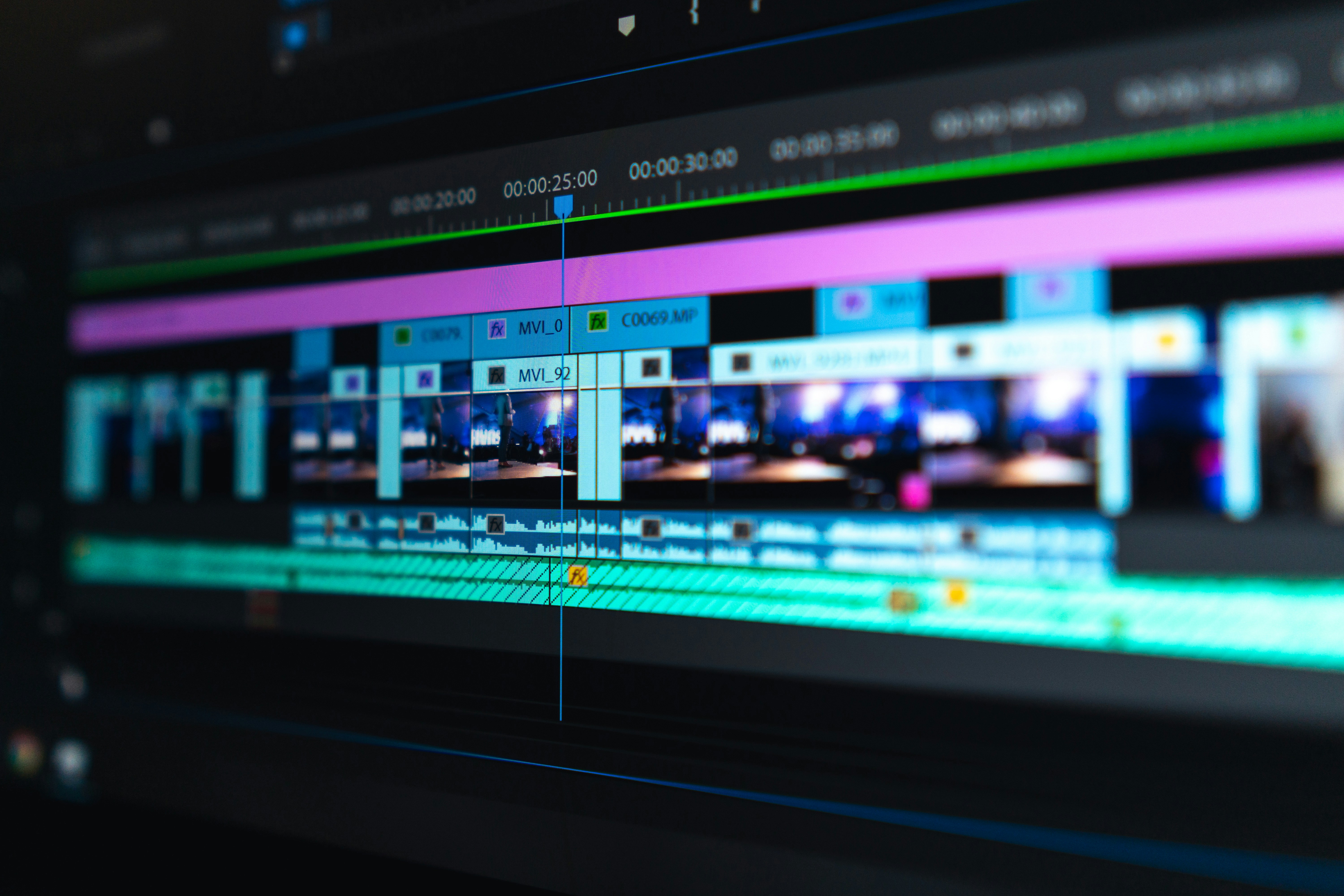
By 2030, a significant portion of the entertainment you consume will be AI-generated. Not all of it, but more than you’d think.
Want to watch a movie where you’re the main character? AI can generate that. Want a video game that creates unique storylines based on your choices and play style? That exists now; by 2030 it’ll be photorealistic and deeply immersive.
Netflix in 2030 won’t just recommend shows—it’ll generate variations of shows tailored to you. Like “Stranger Things” but wish it was scarier and set in your hometown? AI can make that happen.
Music That Knows Your Mood
AI will generate music in real-time based on your current emotional state, measured through biometrics. Having a rough day? Your AI DJ creates a custom playlist that’s never existed before, perfectly calibrated to help you relax.
And yeah, some people will hate this. “It’s not real art!” they’ll say. And they’re right to be concerned. But most people? They’ll just enjoy having infinite content perfectly suited to their tastes.
Virtual Influencers and AI Celebrities
This is already happening. Lil Miquela has millions of followers and she’s completely AI-generated. By 2030, some of the biggest “celebrities” won’t be human. They’ll be AI constructs designed to be maximally appealing to specific demographics.
Weird? Absolutely. But also… kind of inevitable.
Smart Cities: Urban Life Gets an Upgrade
Cities That Think
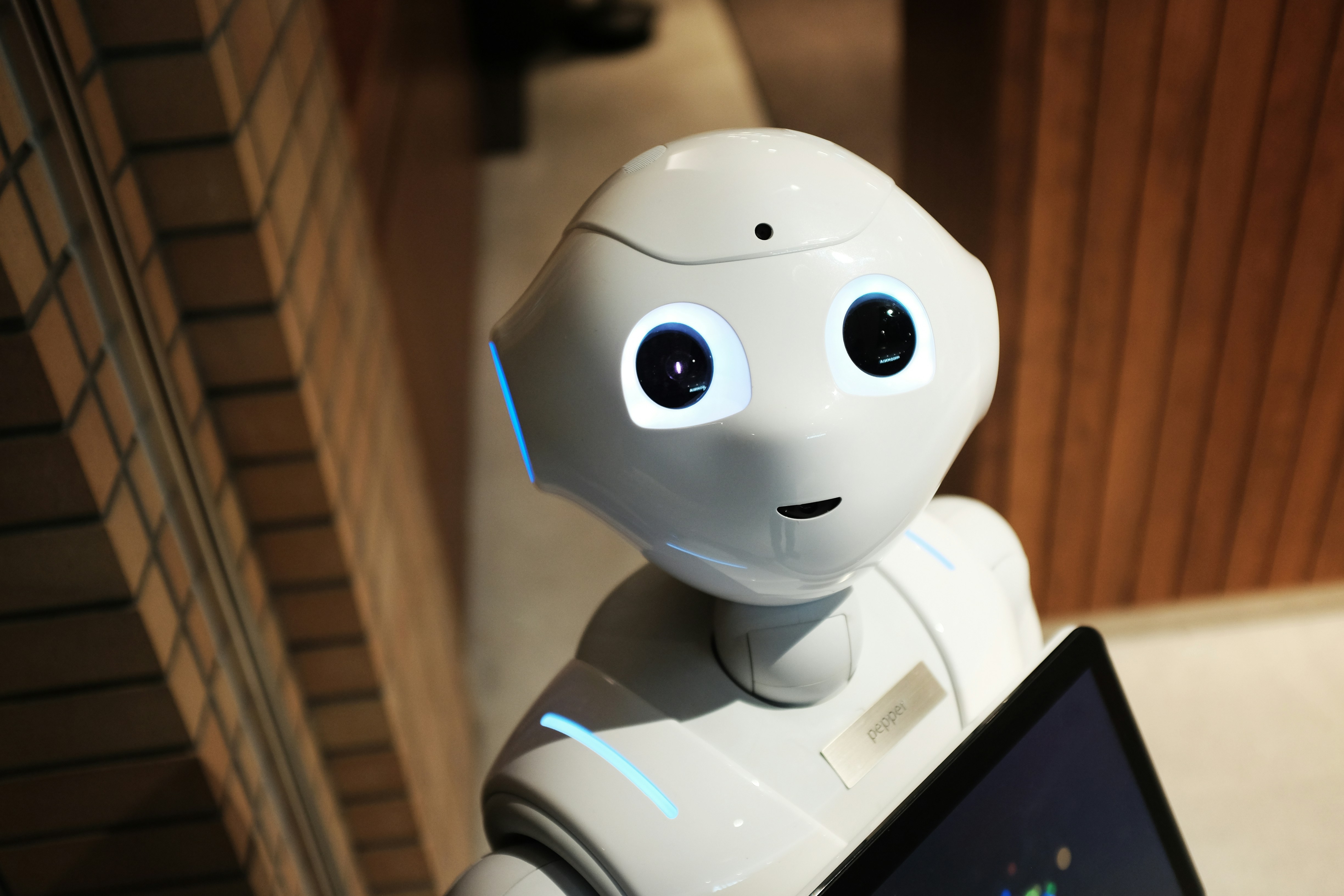
By 2030, major cities will be running on AI-powered systems that optimize everything:
- Energy grids that predict demand and balance renewable sources in real-time
- Water systems that detect leaks before they become problems
- Waste management that routes trucks efficiently and predicts when bins need emptying
- Emergency services that position ambulances and fire trucks based on predictive analytics
- Public safety systems that spot problems (controversial, I know—we’ll get to that)
The Environment Gets Help
AI will monitor air quality in real-time and adjust traffic patterns to reduce pollution. In Beijing, early versions of this have already reduced smog by 20%. By 2030, breathing city air might not feel like smoking a pack of cigarettes.
Smart buildings will adjust heating and cooling based on occupancy and weather predictions, cutting energy use by 30-40%. That’s huge for both your wallet and the planet.
Crime Prediction (And the Privacy Nightmare)
Here’s where things get uncomfortable. AI in 2030 will be able to predict where crimes are likely to occur with scary accuracy. Some cities will use this. Others will ban it. There’ll be massive debates about privacy versus safety.
I don’t have the answer to whether this is good or bad. Nobody does yet. But it’s coming, and we need to figure out the ethics before it’s everywhere.
The Dark Side: What Could Go Wrong

Look, I’m optimistic about AI, but I’m not naive. There are real dangers we need to talk about.
Deepfakes and Reality Erosion
By 2030, AI-generated videos will be indistinguishable from real footage. You won’t be able to trust your eyes anymore. Someone could create a video of a politician saying something they never said, or of you doing something you never did.
We’re going to need new ways to verify reality. Blockchain authentication for media, AI detection tools, maybe even government certification systems. It’s going to be messy.
The Unemployment Crisis
I said earlier that AI will transform jobs more than eliminate them. That’s true in the long run. But there will be a painful transition period where millions of people lose jobs faster than new ones are created.
Truck drivers, retail workers, warehouse staff—these jobs will largely disappear by 2030. That’s millions of people who need retraining. If we don’t handle this right, we could see massive social unrest.
Some countries will probably implement Universal Basic Income by 2030. Not because they’re generous, but because they have no choice—you can’t have millions of unemployed people without some kind of social safety net.
Privacy? What Privacy?
To make AI work this well, it needs data. Lots of data. YOUR data. Your health information, your location history, your purchase patterns, your social connections, your search history—everything.
By 2030, the average person will generate 1.5 terabytes of data per day. Companies and governments will have access to information about you that you don’t even know about yourself.
There will be regulations—Europe’s already ahead on this with GDPR. But it’s going to be an ongoing battle between privacy and functionality.
AI Bias Getting Worse Before It Gets Better
AI systems learn from data, and data reflects human biases. If we’re not careful, AI in 2030 could perpetuate and amplify racism, sexism, and other forms of discrimination.
Imagine an AI hiring system that systematically rejects qualified candidates because of subtle biases in its training data. Or a medical AI that provides worse care to certain demographics because they were underrepresented in clinical trials.
The good news? People are aware of this problem and working on it. The bad news? It’s really, really hard to solve.
The Hacking Nightmare
When everything’s connected and AI-controlled, everything’s also vulnerable. A sophisticated hack in 2030 could crash traffic systems, manipulate medical devices, or cause financial chaos on an unprecedented scale.
Cybersecurity will be one of the most important—and lucrative—fields of the next decade.
The Big Question: AGI by 2030?
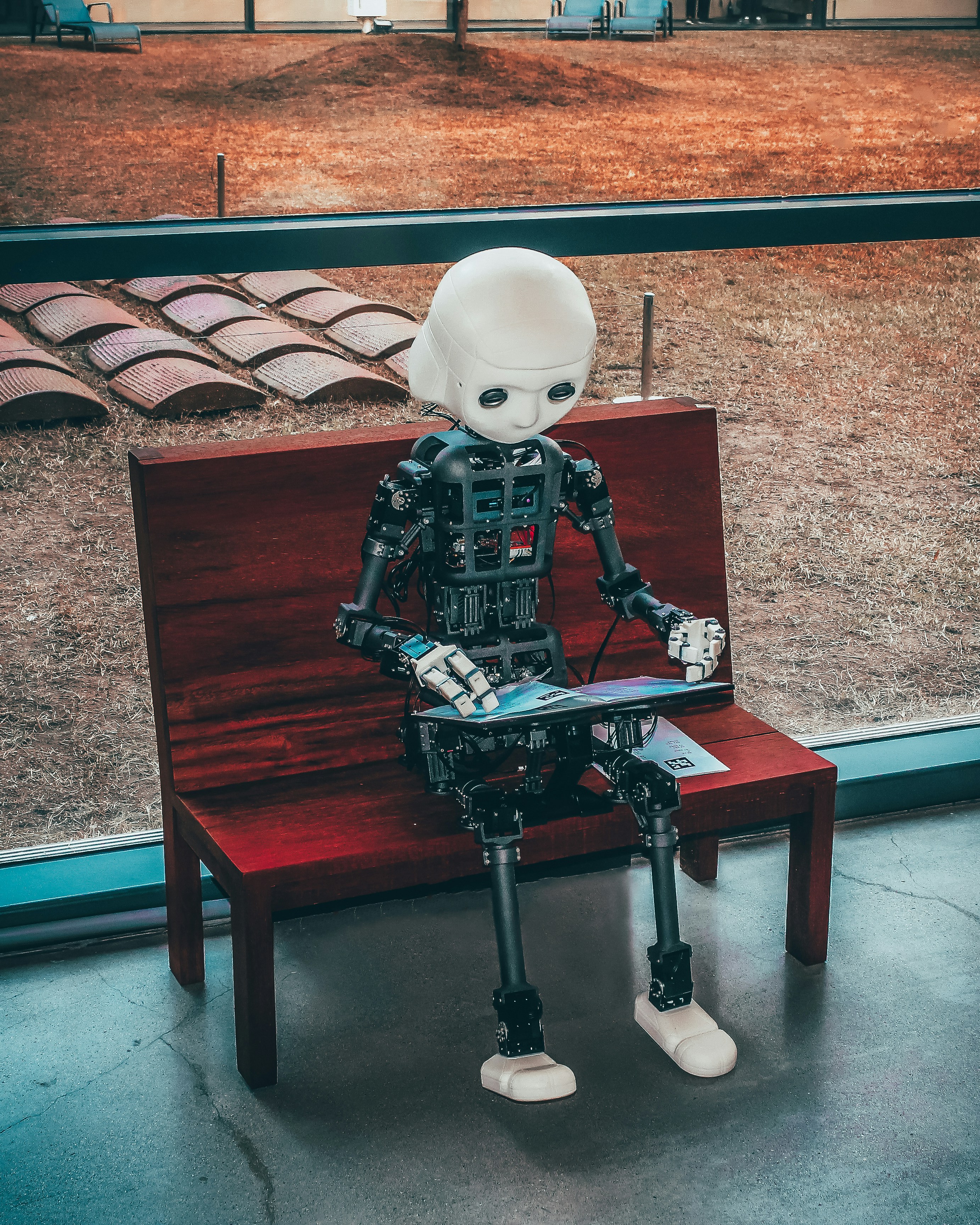
Artificial General Intelligence—AI that can do anything a human can do intellectually—is the holy grail. Will we have it by 2030?
Honest answer? Probably not. Most experts I’ve talked to think AGI is 15-30 years away. But here’s the thing: experts have been wrong before. Consistently wrong, actually.
In 2015, experts said self-driving cars were decades away. In 2020, they were operating in multiple cities. In 2020, experts said AI couldn’t create realistic images. In 2023, Midjourney was generating art indistinguishable from human-created work.
So could we have AGI by 2030? Maybe. If we do, literally everything I’ve written becomes outdated instantly. AGI would be the most transformative event in human history—more significant than fire, agriculture, or the internet.
But I’m betting we won’t quite get there by 2030. We’ll get closer, though. Scary close.
How to Prepare for 2030 (Starting Today)

Alright, enough predictions. What should you actually DO with this information?
For Your Career
- Learn AI basics NOW – You don’t need to code, but understand how these systems work
- Focus on uniquely human skills – Creativity, empathy, complex problem-solving, leadership
- Become comfortable with constant learning – The skill you learn today might be obsolete in three years
- Network like crazy – In an AI world, human connections become MORE valuable, not less
- Consider roles that bridge AI and humans – These jobs will boom
For Your Family
- Teach your kids to think critically – They’ll need to question AI outputs, not blindly trust them
- Emphasize emotional intelligence – It’s the one thing AI can’t replicate
- Get comfortable with AI tools – Fighting them is like fighting the internet in 1995
- Talk about ethics – Your kids will face moral questions we can’t even imagine yet
For Your Mental Health
- Set boundaries with technology – Just because AI can be available 24/7 doesn’t mean you should be
- Maintain human connections – As life gets more digital, face-to-face interaction becomes crucial
- Don’t compare yourself to AI – It’s a tool, not a competitor
- Find meaning beyond productivity – Your worth isn’t determined by economic output
For Society
- Get involved in AI policy discussions – These decisions affect everyone
- Support ethical AI development – Vote with your wallet and your vote
- Demand transparency – You have a right to know when AI is making decisions about you
- Stay informed – Follow reputable sources like MIT Technology Review and AI Weekly
The World My Kids Will Inherit

I have two kids—Emma is 8, and Jack is 5. When I think about 2030, I think about them. Emma will be 14. Jack will be 11. The world they’re growing up in is so different from the one I knew at their age that it’s almost incomprehensible.
Emma already asks Alexa for help with homework. She doesn’t know a world without smartphones. The idea of not being able to instantly look up any information seems absurd to her, like not having indoor plumbing would seem to me.
By 2030, she’ll be in high school. Her AI tutor will know more about her learning style than any human teacher ever could. She’ll probably have friends who aren’t human—AI companions that she’s grown up chatting with. That thought makes me uncomfortable, but it’s reality.
Jack wants to be a scientist. By the time he’s in college, AI will be doing much of the routine lab work. But the questions worth asking? The hypotheses worth testing? That’ll still be humans. Or humans and AI working together in ways we can barely imagine now.
I’m excited for them. Scared, too, but mostly excited. They’ll have opportunities I never had. Medical advances that could extend their healthy lifespans decades beyond mine. The ability to solve problems that seemed impossible. Access to knowledge and experiences that were previously limited to the ultra-wealthy.
But they’ll also face challenges I can’t fully prepare them for. How do you maintain your humanity when you’re constantly interfacing with machines? How do you find meaning when AI can do most jobs better than you? How do you know what’s real when anything can be faked?
These are the questions that keep me up at night.
My Final Prediction
Here’s what I really think will happen by 2030:
It won’t feel like a revolution while it’s happening. Just like smartphones didn’t feel revolutionary day-to-day—they just gradually became indispensable. AI in 2030 will be like that. Most people won’t be walking around thinking “Wow, AI is amazing!” They’ll just be… living. Using tools that happen to be powered by AI.
Your teenager will roll their eyes when you talk about “the old days” before AI tutors. Your parents will complain that their AI doctor doesn’t have the bedside manner of Dr. Johnson (while secretly loving that they never have to wait for appointments anymore).
There will be massive disruption. Jobs lost, fortunes made, ethical dilemmas that make today’s tech controversies look quaint. Some people will thrive. Others will struggle. That’s always been true with technological change.
But here’s what I’m most confident about: Humans will adapt. We always do. We went from horses to cars, from letters to email, from encyclopedias to Google. We’ll figure out AI too.
It won’t be smooth. It won’t be fair. It won’t make everyone happy. But by 2030, we’ll have integrated AI into our lives so thoroughly that not having it will seem weird, like not having electricity.
And then we’ll start worrying about whatever comes next.
Because that’s what humans do. We adapt, we innovate, we worry, and then we adapt some more.
2030 is coming whether we’re ready or not. Might as well get ready.
Key Takeaways for 2030
What Will Definitely Happen:
- AI assistants will be ubiquitous in homes, cars, and workplaces
- Autonomous vehicles will be common in major cities
- Healthcare will be significantly more personalized and predictive
- Most routine cognitive work will be automated
- Education will be far more personalized and accessible
- Privacy will be a major ongoing concern and debate
What Probably Will Happen:
- Significant job displacement requiring social safety nets
- Real-time translation making language barriers irrelevant
- AI-generated content becoming mainstream entertainment
- Smart cities optimizing resources and reducing waste
- Deepfakes creating serious trust and verification issues
What Might Happen (But Don’t Bet On It):
- Artificial General Intelligence (AGI)
- Flying cars (yeah, still probably not)
- Complete elimination of human drivers
- AI solving climate change
- Universal Basic Income in most developed nations
Resources to Stay Informed
News and Analysis
- MIT Technology Review – Excellent long-form AI analysis
- The Verge AI – Up-to-date AI news
- Wired AI Coverage – Tech-focused reporting
- OpenAI Blog – From the creators of ChatGPT
Academic Perspectives
- Stanford HAI – Human-Centered AI Institute
- MIT Media Lab – Cutting-edge research
- Partnership on AI – Ethics and safety focus
Podcasts Worth Following
- Lex Fridman Podcast – Deep conversations with AI researchers
- AI Alignment Podcast – Focuses on AI safety
- Eye on AI – Weekly AI news and interviews