The Revolutionary Role of Artificial Intelligence in Our Daily Lives
Published on January 2024 | Reading time: 8 minutes

Introduction: Welcome to the AI Era
Have you ever stopped to think about how many times artificial intelligence touches your life in a single day? From the moment your smartphone alarm wakes you up to the Netflix recommendations you scroll through before bed, AI is quietly revolutionizing every aspect of our existence. It’s not science fiction anymore – it’s our reality, and it’s evolving faster than most of us realize.
I remember when I first asked Siri a question back in 2011. It felt magical, almost unreal. Today? We’re having full conversations with AI assistants, and they’re helping us manage our entire lives. That’s the kind of transformation we’re talking about here.
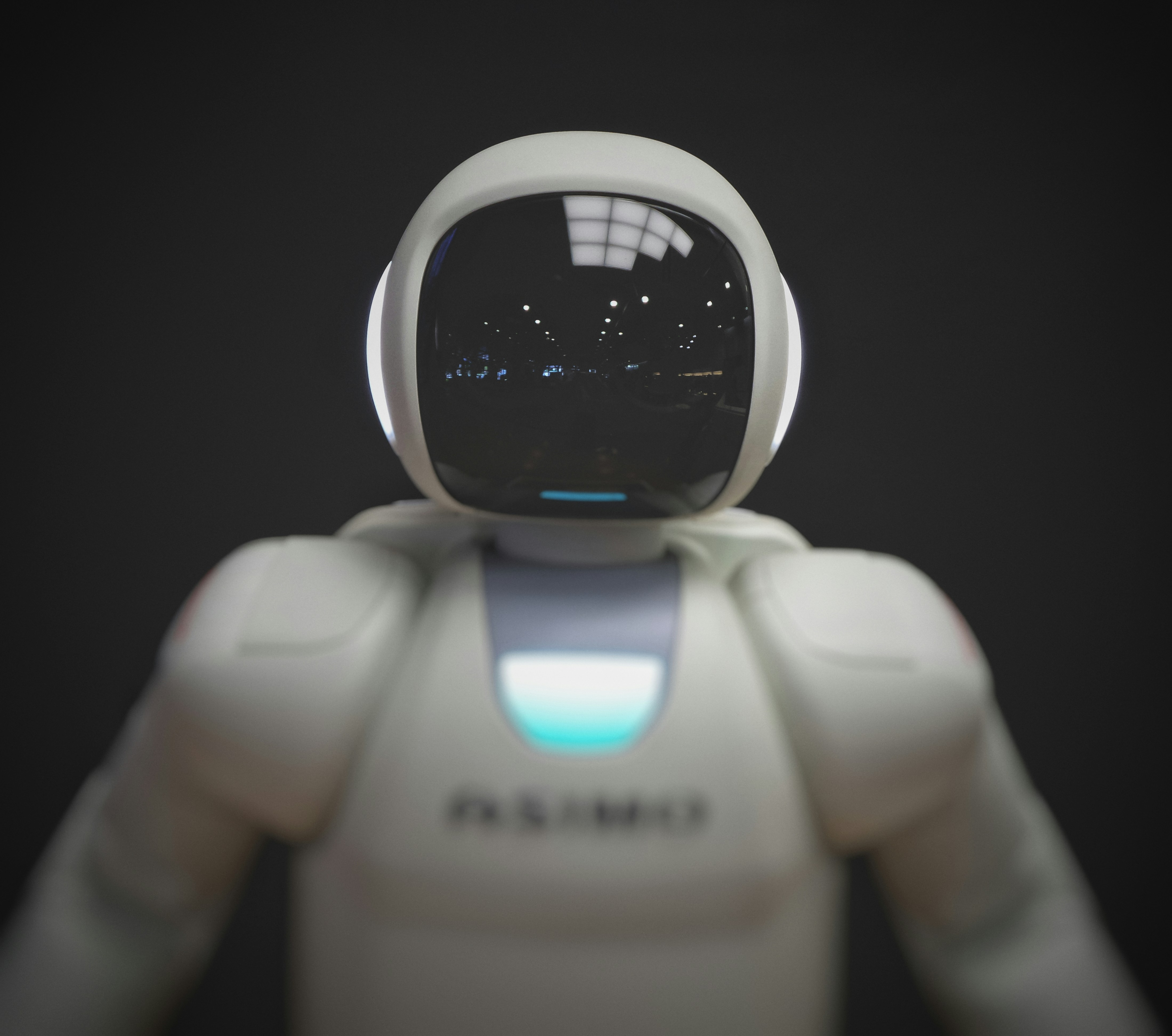
What Exactly Is Artificial Intelligence?
Before we dive deep, let’s get on the same page. Artificial Intelligence (AI) refers to computer systems designed to perform tasks that typically require human intelligence. We’re talking about:
- Learning from experiences and data
- Problem-solving in complex situations
- Pattern recognition faster than any human could
- Decision-making based on massive amounts of information
- Natural language processing to understand and communicate with us
Think of AI as a brilliant student who never sleeps, never gets tired, and learns from millions of examples simultaneously. Pretty impressive, right?
AI in Healthcare: Saving Lives Every Single Day
This is where things get really exciting – and emotional. AI is literally saving lives, and I’m not being dramatic here.

Early Disease Detection
AI algorithms can now detect certain cancers more accurately than experienced radiologists. A study from Nature journal showed that AI detected breast cancer with 94.5% accuracy. Imagine catching cancer early enough that treatment is almost guaranteed to work – that’s the power we’re talking about.
Personalized Treatment Plans
No two patients are exactly alike, and AI understands this better than ever. By analyzing:
- Your genetic makeup
- Medical history
- Lifestyle factors
- Response to previous treatments
AI can recommend treatment plans specifically tailored to YOU, not just your diagnosis.
Drug Discovery Revolution
Developing new medicines used to take 10-15 years and billions of dollars. AI has cut that time dramatically. During COVID-19, AI helped identify potential vaccine candidates in mere months – something that would have been impossible just a decade ago.

Smart Homes: Living in the Future Today
Remember when “smart home” meant having a programmable thermostat? Those days are long gone, my friend.
Your AI-Powered Home Assistant
Today’s smart homes are like having a incredibly attentive butler who never takes a day off:
- Amazon Alexa and Google Assistant control everything from lights to locks
- Smart thermostats learn your schedule and adjust temperatures automatically
- Security systems recognize family members versus strangers
- Refrigerators track your groceries and suggest recipes
- AI predicts when appliances need maintenance before they break down
I personally saved over $400 on my energy bill last year just by letting my Nest thermostat do its thing. It learned when I’m home, when I’m sleeping, and adjusted accordingly. That’s money in my pocket while helping the environment – win-win!
Transportation: The Road to Autonomous Future
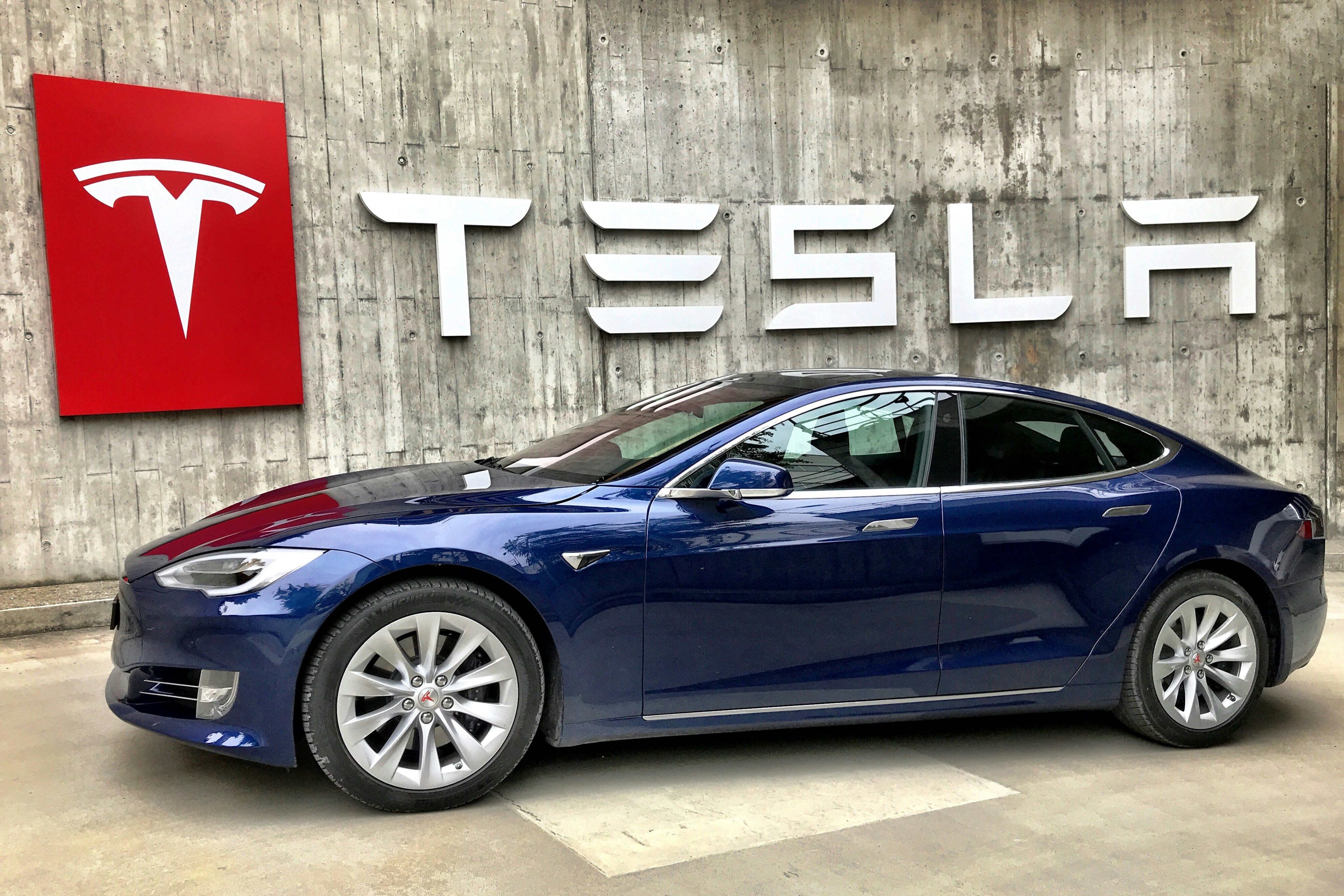
Self-Driving Cars Are Here
Yes, they’re actually here! Companies like Tesla, Waymo, and Cruise are already operating autonomous vehicles on public roads. The technology uses:
- Advanced cameras and sensors (sometimes called “the car’s eyes”)
- Machine learning algorithms processing millions of driving scenarios
- Real-time decision making faster than human reflexes
- Continuous learning from every mile driven by every vehicle in the fleet
Traffic Management
Ever wondered why traffic seems to flow better in some cities? AI-powered traffic management systems analyze traffic patterns in real-time and adjust signal timing to reduce congestion. Cities like Los Angeles have reduced traffic congestion by up to 16% using these systems.
The Safety Factor
Here’s a sobering statistic: 94% of car accidents are caused by human error. AI doesn’t get distracted by phones, doesn’t drive drunk, and doesn’t fall asleep at the wheel. While not perfect yet, autonomous vehicles have the potential to save thousands of lives annually.

Workplace Transformation: Working Smarter, Not Harder
AI isn’t replacing workers – it’s making us superheroes at our jobs. Here’s how:
Automating the Boring Stuff
Let’s be honest – nobody enjoys data entry, scheduling meetings, or sorting through hundreds of emails. AI handles these tasks so you can focus on creative, meaningful work. Tools like:
- Grammarly – AI writing assistant used by over 30 million people
- Calendly – Smart scheduling that ends email ping-pong
- Zapier – Automates workflows between different apps
- ChatGPT – Assists with writing, coding, analysis, and brainstorming
Data Analysis at Lightning Speed
Businesses generate massive amounts of data every single day. AI can analyze years of business data in seconds, identifying patterns and opportunities that humans would never spot. This means better decisions, faster growth, and staying ahead of competition.
Customer Service Revolution
AI chatbots now handle 70% of customer service conversations from start to finish. And they’re available 24/7/365. No waiting on hold, no frustration – just instant answers. When issues get complex, they seamlessly transfer to human agents who already have all the context.
Education: Personalized Learning for Every Student

Education hasn’t changed much in centuries – until now. AI is creating a personalized learning revolution:
Adaptive Learning Platforms
Platforms like Khan Academy and Duolingo use AI to adapt to each student’s learning pace and style. Struggling with algebra? The AI notices and provides extra practice. Blazing through biology? It challenges you with advanced content.
Real-Time Feedback
Instead of waiting days for graded assignments, AI provides instant feedback. Students learn faster because they’re not reinforcing mistakes for days or weeks.
Breaking Language Barriers
AI translation tools are opening education to everyone, regardless of language. Lectures, textbooks, and learning materials can be instantly translated with impressive accuracy.

Entertainment: Your Personal Content Curator
Ever wonder how Netflix always seems to know what you want to watch? That’s AI working its magic.
Recommendation Engines
Streaming platforms use sophisticated AI algorithms that analyze:
- What you watch and when
- How long you watch before stopping
- What similar viewers enjoy
- Even subtle patterns like mood-based viewing habits
Netflix credits its recommendation system with saving $1 billion per year in customer retention. That’s how valuable personalization is!
Content Creation
AI is now creating music, art, and even writing scripts. Tools like DALL-E create stunning images from text descriptions, while AI composers create royalty-free music for content creators. We’re witnessing the birth of an entirely new creative partnership between humans and machines.
Gaming Revolution
Video game NPCs (non-player characters) are becoming incredibly realistic thanks to AI. They learn from player behavior, adapt strategies, and create unique experiences for every gamer. No two playthroughs are exactly the same anymore.
Financial Services: Your AI Money Manager

Fraud Detection
Banks use AI to analyze millions of transactions per second, spotting fraudulent activity in real-time. That weird charge on your credit card? AI caught it and blocked it before you even noticed.
Robo-Advisors
Investment platforms like Betterment and Wealthfront use AI to manage portfolios, rebalance investments, and optimize for tax efficiency – services that used to require expensive financial advisors. Now everyone can access sophisticated investment strategies.
Credit Scoring
AI analyzes thousands of data points to assess creditworthiness more accurately and fairly than traditional methods. This means better loan terms for qualified borrowers and reduced risk for lenders.
The Challenges: It’s Not All Sunshine and Rainbows
Look, I’m excited about AI, but we need to be realistic about the challenges:
Privacy Concerns
AI needs data – lots of it. Often personal data. Companies must balance innovation with privacy protection. The question “Who owns my data?” has never been more important.
Job Displacement
Yes, some jobs will disappear. But history shows that technology creates more jobs than it destroys. The key is adaptation and retraining. The jobs of tomorrow will be different from today – and many will be jobs we can’t even imagine yet.
Bias in AI Systems
AI learns from data created by humans, and humans have biases. If we’re not careful, AI can perpetuate or even amplify these biases. The tech industry is actively working on this, but it requires constant vigilance.
The “Black Box” Problem
Sometimes even AI experts can’t explain exactly why an AI made a particular decision. This is problematic in critical areas like healthcare or criminal justice. We need transparency and explainability.

The Future: What’s Coming Next?
Buckle up, because the AI revolution is just getting started:
AI in Climate Change
AI is being deployed to:
- Optimize renewable energy grids
- Predict weather patterns with unprecedented accuracy
- Design more efficient buildings and vehicles
- Monitor deforestation and illegal fishing in real-time
Medical Breakthroughs
We’re approaching an era of truly personalized medicine where AI analyzes your unique genetic code to predict diseases decades before symptoms appear and recommends preventive measures tailored specifically to you.
Quantum AI
When quantum computing meets AI, we’ll solve problems currently considered impossible. We’re talking about:
- Drug discovery happening in days instead of years
- Climate modeling with perfect accuracy
- Financial systems that predict and prevent economic crises
AI Companions
Future AI will understand context, emotion, and nuance at human levels. Your AI assistant won’t just schedule meetings – it’ll understand your stress levels and proactively suggest breaks or delegate tasks.
How to Embrace AI in Your Life Today
You don’t need to be a tech genius to benefit from AI. Here’s how to start:
Start Small
- Try a virtual assistant – Siri, Alexa, or Google Assistant for simple tasks
- Use AI writing tools – Grammarly for emails, ChatGPT for brainstorming
- Explore AI learning platforms – Coursera and edX offer free AI courses
- Use recommendation algorithms wisely – Let Spotify discover new music for you
- Try AI photo editing – Apps like Adobe Photoshop’s AI features or Remini
Stay Informed
Follow reputable AI news sources like:
Think Critically
AI is a tool, not magic. Question results, understand limitations, and always apply human judgment to important decisions.
Conclusion: We’re All Part of This Journey
The role of artificial intelligence in our lives isn’t some distant future scenario – it’s happening right now, today, in ways both obvious and invisible. From the moment we wake up to the moment we fall asleep, AI is working alongside us, making our lives easier, safer, and more connected.
Yes, there are challenges ahead. Yes, we need to be thoughtful about how we develop and deploy these technologies. But the potential – the opportunity to solve humanity’s biggest problems, to unlock human creativity, to build a better future for everyone – that potential is absolutely breathtaking.
The question isn’t whether AI will transform our lives. It already has. The question is: How will YOU use AI to transform yours?
I’d love to hear your thoughts and experiences with AI. What aspects of AI excite you most? What concerns you? Drop a comment below and let’s continue this conversation!
Frequently Asked Questions About AI
Is AI going to take my job?
AI will change jobs, not necessarily eliminate them. Focus on developing skills that complement AI – creativity, emotional intelligence, complex problem-solving, and adaptability. Many experts predict AI will create more jobs than it displaces.
Is AI safe?
Like any technology, AI has risks and benefits. Responsible development, regulation, and ethical guidelines are crucial. Most AI systems today are narrow AI designed for specific tasks and operate within strict parameters.
Do I need to learn coding to use AI?
Absolutely not! Most AI tools are designed for everyday users. You can benefit from AI without writing a single line of code. However, understanding basic AI concepts can help you use these tools more effectively.
How much does AI cost to use?
Many AI tools are free or have free tiers (ChatGPT, Google Assistant, Grammarly’s basic version). Professional tools vary in price, but AI is becoming increasingly accessible to everyone.
Can AI be creative?
AI can generate creative content, but whether it’s truly “creative” is debated. AI excels at combining existing ideas in novel ways and can certainly assist human creativity. The best results often come from human-AI collaboration.